
You Might Have Dogecoin:The Unspoken Possibility
- 作者:佚名
- 来源:定理手游网
- 时间:2025-11-19
When you hear "Dogecoin," what comes to mind? Maybe a meme of a Shiba Inu, Elon Musk’s tweets, or a story of someone getting rich overnight. But beneath the memes and hype lies a question many overlook: Could you already own Dogecoin without realizing it?
The answer is more plausible than you think. Over the past few years, Dogecoin has evolved from a joke to a mainstream cryptocurrency, finding its way into wallets, investment apps, and even everyday transactions. If you’ve ever dabbled in crypto, received a "fun" tip from a friend, or used platforms like Robinhood, Coinbase, or PayPal—there’s a chance Dogecoin is hiding in your digital portfolio.
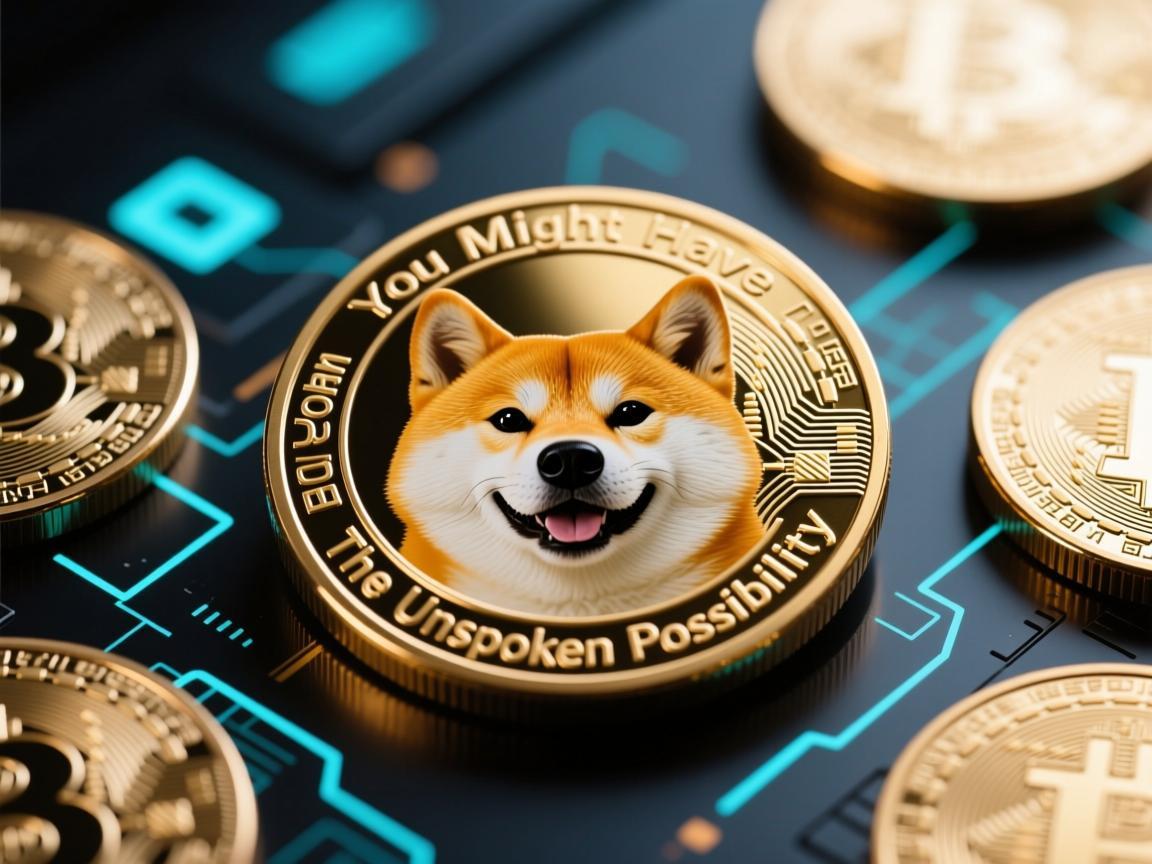
Consider this: In 2021, as Dogecoin’s price surged, millions of new users flocked to crypto exchanges. Some bought DOGE intentionally, while others acquired it through airdrops, social media rewards, or even accidental purchases (yes, it happens!). For example, if you’ve ever participated in a crypto giveaway, used a decentralized app (dApp) that rewarded users with meme coins, or linked a payment app that integrated Dogecoin, you might be sitting on more DOGE than you think.
Even if you’ve never actively invested, passive exposure is possible. Some investment funds now include Dogecoin in their portfolios, and employers have even started offering it as a payroll option. Plus, with the rise of "crypto wallets" in apps like Venmo or Cash App, users can toggle between currencies—sometimes with a single tap, leading to unintended holdings.
So, how do you check? Start by reviewing your transaction history on any crypto-related app you’ve used. Look for "DOGE" in your wallet, or search past deposits for odd amounts (airdrops often send tiny fractions of coins). If you find it, great—you’re part of the Dogecoin community! If not, consider it a nudge to explore crypto with fresh eyes.
In the end, Dogecoin’s journey from meme to mainstream asset is a reminder that in the digital age, things aren’t always what they seem. Whether you’re a crypto veteran or a casual user, the question isn’t just "Do you have Dogecoin?"—it’s "What might you discover when you look closer?"
更多资讯
-
 安币汇率最新走势分析
 -
 狗狗币最新价格动态,投资者的下一个热点
 -
 以太坊逼近1500美元支撑!币安官网注册快速入场,把握关键行情
 -
瑞波前首席技术官Schwartz驳斥Ryan Fugger创建XRP的说法,重申其2012年起源
-
 探索币安Web3公募,如何轻松购买
 -
 探索币安Web3宝比特币利息的魅力
 -
 Cathie Wood旗下方舟投资逢低进场 大买Coinbase、Circle、Bullish以及Robinhood等加密概念股
 -
 探索未来金融,JEX与币安Web3的跨界合作
 -
 探索币安Web3链发币的代价
 -
 CAP价格预测:一级交易所上市引爆1500%暴涨行情
 -
 以太坊动态:沉睡巨鲸苏醒,网络创新在即
 -
 Base Layer 2 崩溃事件:无效区块引发链上停滞,币安官网注册用户需警惕风险
人气排行
- 1 LUNA币与韩国官方,一场风暴中的监管博弈与反思
- 2 Luna币最新利好,多重积极因素推动市场信心回暖
- 3 10 亿美元加密货币清算警告——3 个迹象表明另一场闪电崩盘即将来临!
- 4 XRP 在售出 4.7 亿枚代币后下跌 – 如果……则有望达到 2.60 美元
- 5 机构信号不一,以太坊有望创历史新高:下一步是什么?
- 6 据称,Chrome 用户被 Google 推出的免费 VPN 扩展程序监视,该扩展程序会拍摄网站访问的“快照”
- 7 柴犬社区欢呼 LEASH v2 发行,供应量激增 10%
- 8 稳定币的迷思与现实:来自20个非洲国家的实地指南
- 9 Q2机构比特币ETF持仓创新高 散户仍主导资金流
- 10 唐纳德·特朗普 (Donald Trump Jr.) 投资加密货币预测市场后加入 Polymarket